
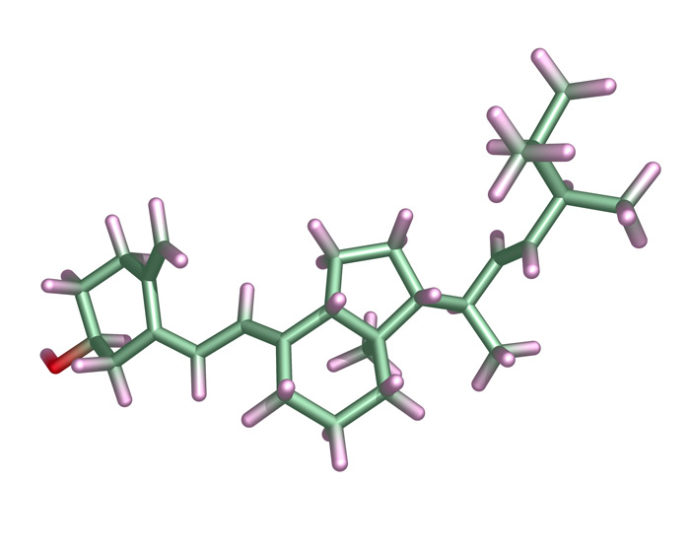
Vitamin D and Its Role in the Human Body
Vitamin D is a vitamin that is very important for our body. Some experts claim that it’s not actually a vitamin, but rather a prohormone that the human body produces from cholesterol. As a prohormone, it affects the entire body and is formed in our skin after sun exposure, then converted into its active hormonal form.
Vitamin D is essential for our overall health and life itself. It has a significant impact on the health of muscles and bones. The main function of vitamin D in the human body is to regulate calcium levels. Calcium plays a key role in maintaining healthy bones. In addition, it is essential for proper cell division and differentiation, immune system function, insulin secretion, blood pressure regulation, and other vital processes. Deficiency-related issues include osteoporosis, muscle and joint pain, diabetes, cardiovascular diseases, flu, depression, stress, chronic fatigue syndrome, and even cancer. Extensive research conducted at The Moore’s Cancer Center at the University of California estimates that increasing vitamin D3 levels in the population could prevent 250,000 cases of colon cancer and 350,000 cases of breast cancer annually. Studies in molecular biology show that the human body contains around 30,000 genes—and vitamin D influences 2,000 of them.
Among other things, vitamin D helps repair mucous membranes because it has a structure similar to corticosteroids. Medically, vitamin D is often classified as a hormone. Corticosteroids are crucial hormones that regulate the body and the mucous membranes. For this reason, corticosteroids are sometimes used in the treatment of chronic skin or respiratory diseases. Among the general public, there is a widespread fear of corticosteroids—often referred to as “corticophobia.” However, people often don’t realize that without corticosteroids, our bodies would break down within seconds. Vitamin D acts very similarly to corticosteroids at the cellular level, making it highly effective in repairing mucous membranes. Another important factor is vitamin D’s effect on immunity. It supports the types of immune defense that are innate and helps balance the overall functioning of the immune system.
Sun Exposure: With or Without Sunscreen?
An important note on sun exposure: There’s a long-standing dilemma between dermatologists and other medical specialists. Dermatologists advise against sunbathing at noon and without sunscreen due to the increased risk of skin cancer. On the other hand, recommendations from endocrinologists, pulmonologists, and immunologists often suggest regular sun exposure at midday and without sunscreen for the most effective vitamin D synthesis. So who’s right? Simply put – both are. How should we act then? The key is to avoid sunburn, which is the main risk factor for skin cancer. In the skin, a precursor to vitamin D is formed from cholesterol. This precursor is then converted through several steps under sunlight. However, this precursor pool is limited—after just a few minutes in the sun, it’s used up. That means you only need a short period of unprotected sun exposure. After about 8 minutes, the precursor is depleted, and it takes about 24 hours for the body to replenish it. Therefore, in our geographical region, daily short-term exposure around noon without sunscreen is enough. Even if you sunbathe for hours, you won’t produce more vitamin D beyond that initial brief window.
It’s important to have a full-body mole screening every year as a preventive measure—this allows for early detection and timely response to any potential problems. It’s also worth considering regular vitamin D level testing as part of your preventive health check-ups to see how relevant this issue is for you. Annual measurement of vitamin D concentration in the blood should become a routine for everyone. If a deficiency is detected, it’s essential to take an appropriate dose of vitamin D and repeat the test after two months. In our geographical region, especially during the winter months, vitamin D deficiency is particularly common.
Vitamin D in the Diet
Food typically provides only about 5 – 10% of our vitamin D needs. It is mainly found in marine fish, and in smaller amounts in meat, egg yolks, liver, fats, and dairy products. Cow’s milk itself contains little vitamin D, and its content depends on the season and the quality of feed. Soy milk can be an alternative. Semi-skimmed and low-fat milk types have very low levels of vitamin D. Some dried mushrooms also contain vitamin D. For illustration: approximately 5 micrograms of vitamin D (200 IU) can be obtained from 200 grams of fish, 3 eggs, or 100 grams of avocado. In plant-based foods such as fruit, vegetables, or legumes, vitamin D is virtually absent—only alfalfa and avocado are worth mentioning.
In the past, the recommended dosage of vitamin D was lower. However, scientists have reached an international consensus, and the latest recommendation is a daily intake of at least 2,000 IU – preferably 4,000 IU – assuming that part of it is synthesized in the skin through sun exposure. A dose of 2,000 IU corresponds to approximately 50 micrograms.
If breastfeeding women do not have access to around 6,000 IU daily, they should ideally provide infants with 800 IU per day. Children who are not sufficiently exposed to sunlight by their parents should receive 1,000–2,000 IU daily, depending on their weight.