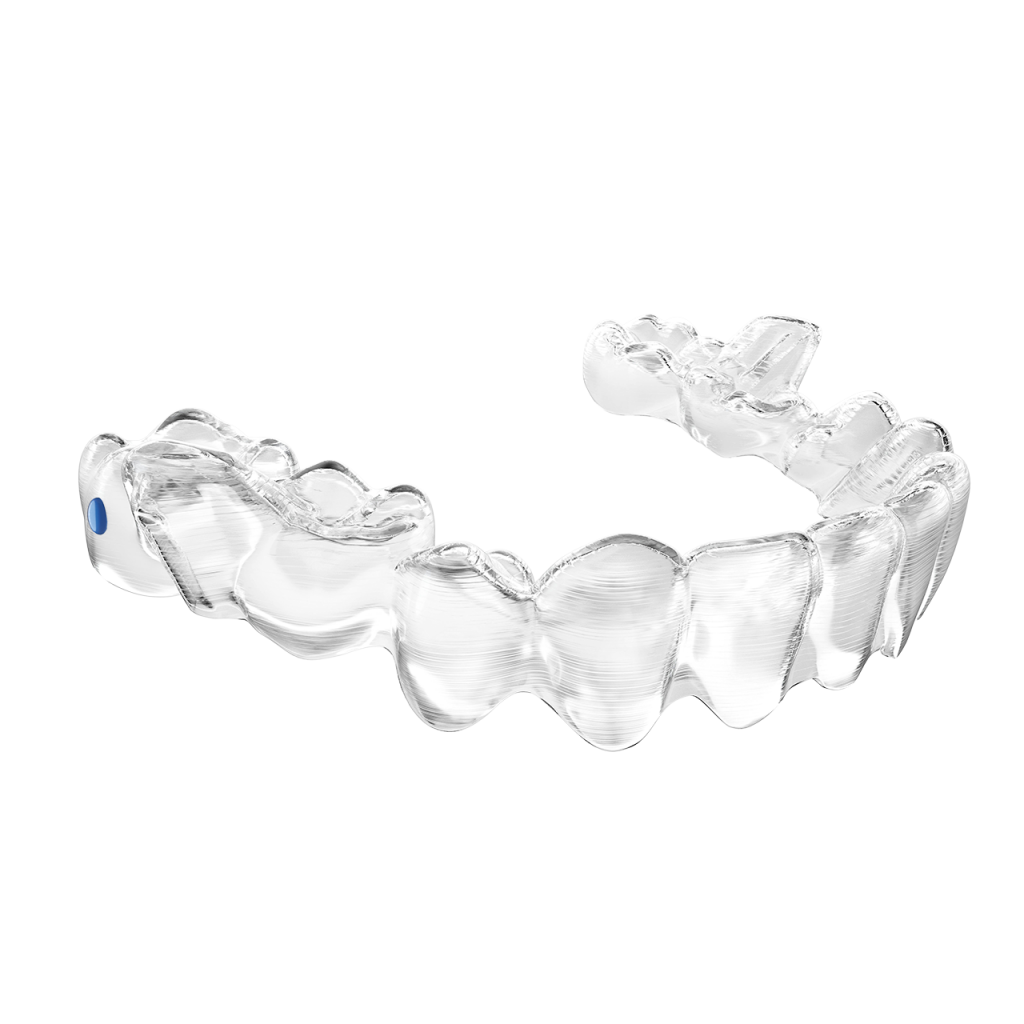
What is jaw orthopedics ?
Jaw orthopedics, or orthodontics, is the science of the position and function of teeth and jaws. It is one of the specialized fields of dentistry, and its purpose is to address defects in the oral cavity. Through treatment, we can influence the growth and development of teeth and jaws, thus preventing both functional and aesthetic complications. The problem of “crooked teeth” can arise from various factors. Most often, the cause lies in the teeth themselves, their size, and the position of the jaws, or the tissues around the teeth, lips, and tongue may be responsible. A person or child can also develop crooked teeth due to bad habits, such as putting various objects between the teeth. Properly aligned teeth—whether naturally or after orthodontic treatment—are aesthetic, increase a person’s attractiveness, and, most importantly, function correctly. This helps prevent excessive tooth wear and jaw joint diseases. Another advantage of orthodontic treatment is the habit of regular tooth cleaning, which can significantly reduce the risk of tooth decay in the future.
What type of braces are suitable for me?
Many types of orthodontic appliances are currently used to treat crooked teeth, and we can tailor them precisely to the specific needs and preferences of each patient.
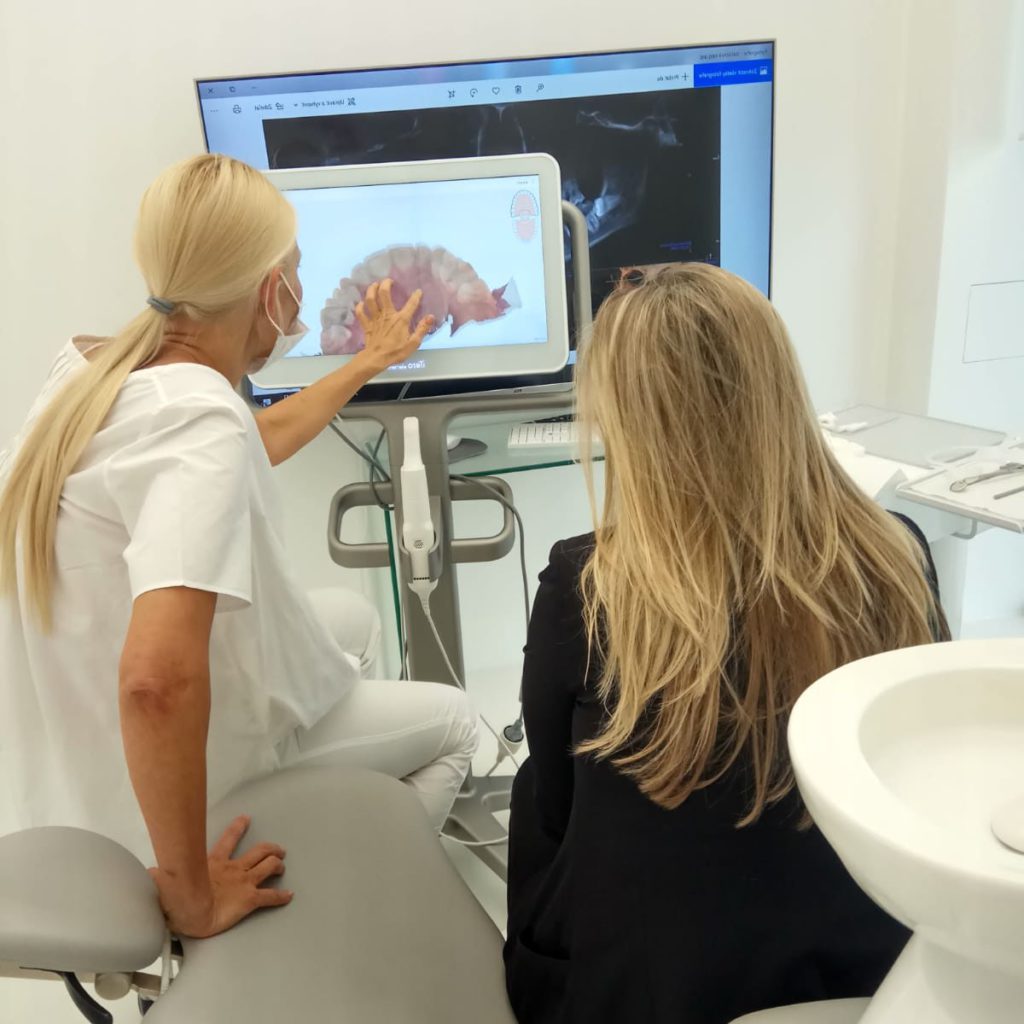
Jaw Orthopedic Consultation
This is the first contact between a patient with an orthodontic defect and a specialist – a jaw orthodontist. The specialist examines the position of the teeth, their relationship to neighboring teeth, and to the teeth in the opposite jaw. Other important indicators are also monitored, such as the relationship between the upper and lower jaw and the condition of the soft tissues (tongue and cheeks). During the first consultation, an X-ray of all teeth is usually taken – it is important to assess the stage of their development. If you have your own X-ray, bring it with you. However, if it is more than a year old, a new one will need to be taken. Based on the first consultation, the orthodontist can already determine whether the deviation needs to be treated immediately, whether it is better to wait (for example, for the eruption of additional teeth), or whether treatment is not necessary in your case. If you decide that you are interested in treatment and it is the right time for braces, you will be given an appointment for the initial examination.
Jaw Orthopedic Diagnostics
In order to establish a detailed diagnosis and an individual plan for tooth misalignment, we need to process various outputs—X-ray images, dental models, and photographs. Based on the initial examination and the analysis of models, photos, and X-rays, a treatment plan is determined. Its purpose is to achieve the optimal positioning of the teeth. The goal of our orthodontic treatment is clear—to improve the aesthetics and function of the entire chewing apparatus. During the consultation, the doctor will explain the procedures and treatment methods intended to achieve the set goal. You will be informed about the appropriate type of braces, the expected duration of treatment, and you will also receive information about the treatment budget.
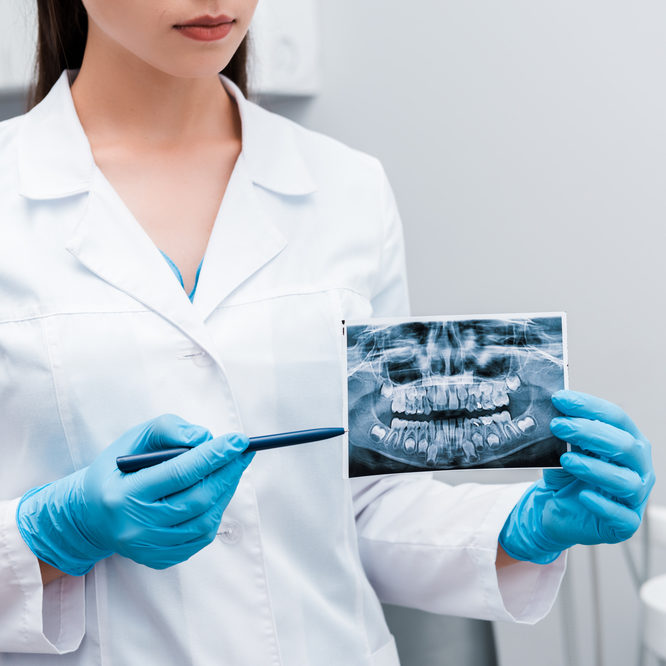
Orthodontic Preparation Before Surgical Treatment
The combination of orthodontic and surgical therapy is considered the most effective method of treating skeletal anomalies after growth has finished. Orthognathic jaw surgeries are indicated for patients in whom the desired effect could not be achieved with conservative orthodontic treatment. Age, extent, and nature of the dental defect—that is, dysgnathia—are common factors that determine the necessary cooperation between the orthodontist and the oral surgeon. Jaw surgery not only corrects developmental jaw deviations but also improves the patient’s appearance. We proceed with jaw surgery after a thorough examination of the patient, study models, X-rays, and consultation with a maxillofacial surgeon, with whom we plan the type of jaw surgery to be performed.
Retention
It is important to monitor changes in the dentition even after the removal of braces. In the second phase of orthodontic treatment, we focus on maintaining the achieved result. The teeth need to get used to their new position and remain in it.
Orthodontic treatment of tooth alignment consists of two important phases, both of which require time and regular check-ups. The first phase is the correction of the misalignment (for example, with braces). The second is maintaining the achieved result over a long period—the so-called retention phase, which usually lasts longer than wearing the corrective appliance. The teeth need to get used to their new position and remain in it. To stabilize the dental arches in the optimal achieved position, so-called retainers are used. Retention appliances can be fixed (firmly bonded to the teeth on the back side of the dental arch) or removable (nighttime maintenance splints). If you follow your doctor’s instructions and wear the retainer for as long as possible, the result of the treatment will be more stable and long-lasting. We emphasize to our patients that teeth need to be monitored even after the removal of braces. However, check-ups with the doctor are quicker and less frequent than during active treatment. The total duration of the retention phase depends on the patient’s age, the type of misalignment, and the extent of tooth movement during treatment.